For readers choosing a glb viewer to inspect image-to-3D exports, this review compares the tray’s visible texture with its underlying geometry and notes export limitations.
Independent review. I ran both tools on my own accounts, free and paid, with no vendor-provided access or early access of any kind.
I put a cable-knit serving tray on the screen and asked two image-to-3D tools to turn the picture into a model. From the hero angle both returned a tray. From above I had a different question: did the over-under ropes in the photograph become raised geometry, or had the pleasing fabric moved into the paint?
I compared the files in the same offline viewer and then switched the material off. Hyper3D's downloadable Gen-1.5 version has prominent wall ropes and raised—but largely parallel—floor bars. SupaVoxel has a finer diagonal wall and a busy, soft-looking floor; much of that floor effect disappears in bare mesh view. Neither copies the source's regular floor crossings.
My verdict in 60 seconds — Hyper3D Gen-1.5 wins a received, lighter PBR tray with coarse raised relief; SupaVoxel earns the finer-wall visual brief, not an exact-knitted-floor claim. Hyper3D's Free route delivered a 27.81 MB ZIP with an 18.64 MB PBR member. SupaVoxel's Original size browser export failed; its 74.36 MB analysis GLB was rebuilt locally, never transferred by that button. Yet the wall has a finer diagonal surface and the interface lets me check the textured picture against a bare mesh. If that wall appearance is the job, SupaVoxel is the design candidate I would test again—without telling anyone the pictured floor cables are physically reproduced.
Eight paired checks from the files and views:
- Shallow-tray silhouette — Hyper3D: open basin with apertures · SupaVoxel: open basin with apertures.
- Fine wall pattern — Hyper3D: chunky rope forms · SupaVoxel: finer diagonal relief.
- Floor like the source — Hyper3D: parallel bars · SupaVoxel: irregular clusters; neither repeats crossing cables.
- Bare-mesh floor — Hyper3D: raised rows stay visible · SupaVoxel: much of the textured puff disappears.
- Embedded images — Hyper3D: three 2048² PNGs · SupaVoxel reconstruction: three 4096² PNGs; pixel count is not color fidelity.
- Topology after welding — Hyper3D: one closed shell, zero nonmanifold edges · SupaVoxel: same result.
- As-is standalone PBR burden — Hyper3D: 18.64 MB extracted member · SupaVoxel: 74.36 MB local reconstruction, if hosted separately.
- Recorded browser delivery — Hyper3D: ZIP arrived · SupaVoxel: attempted Original size export failed.
The thumbnail asks one question. A tactile print, a finely decorated concept and a received client file ask three different ones.
Start with what the source actually shows
The same independently generated 1,862,608-byte PNG went to both products. Its raised tray has ordered rope crossings on wall and floor; only the right-hand opening is visible. A craft-gallery cover supplied visual reference, not a source mesh. Hidden reverse geometry remains unknown. At a normalized 120 mm longest bounding-box side, the resulting heights are 24.48 mm for Hyper3D and 20.71 mm for SupaVoxel—not 120 mm tall.
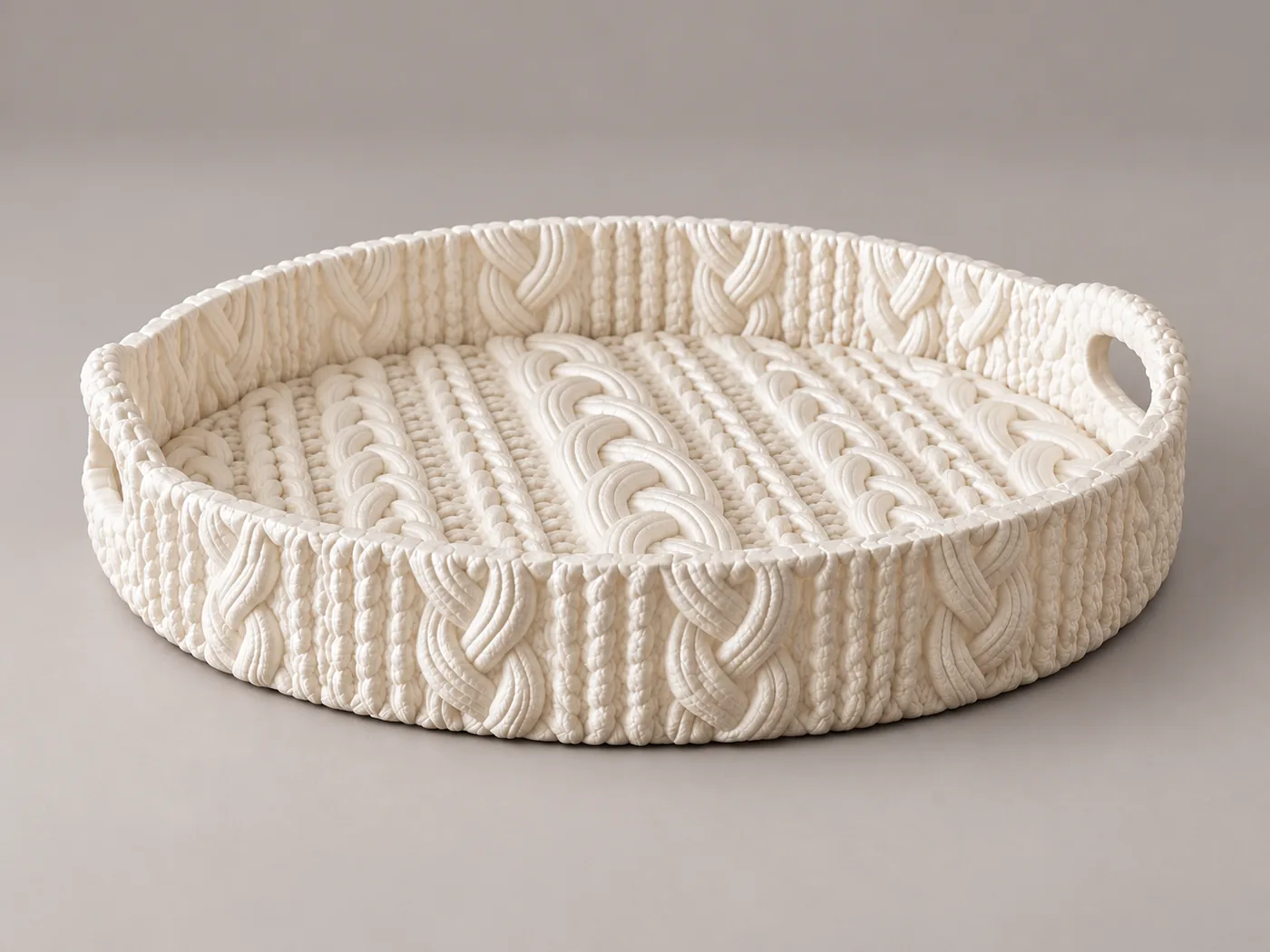
Photographic reference: readable large cable crossings, one visible right opening and an unseen back.
A close-looking silhouette is only the first test
Both generated open shallow trays with side handles. Hyper3D's accessible Gen-1.5 result reads immediately as chunky rope-work, with a stronger rim and larger raised braids on the wall. SupaVoxel's four-quarter view has a tidier fine diagonal wall and paler, lumpier floor. Neither description should be extrapolated to Gen-2.5 geometry: that version could be viewed in the Free account but could not be downloaded or measured. The 12.5-to-one triangle-count ratio favors SupaVoxel numerically, yet the visual target is the specific crossing pattern, not triangle density in isolation. Buyers who just need a decorative thumbnail might accept either broad silhouette; buyers matching the pictured knit should look closer.
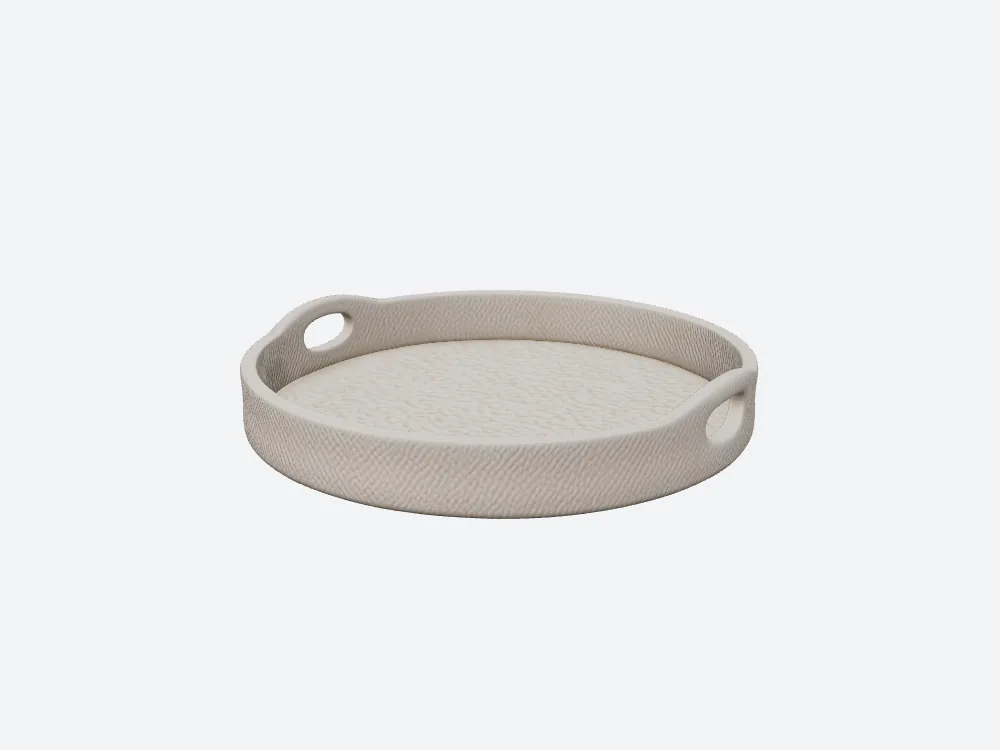
SupaVoxel's own 3D model keeps a continuous shallow tray form but changes the pattern language.
From the top, neither floor follows the photographed cables
Hyper3D's floor divides into slanting rows of almost parallel raised bars. The direction is clearer than SupaVoxel's clusters, but the input's over-and-under crossings are gone. SupaVoxel's top has denser short diagonals and bumps without repeatable large strands. Neither faithfully reconstructs the pictured layout. A physical reproduction would need manual resurfacing. Hyper3D has 120,000 triangles and SupaVoxel 1,500,000; counting triangles cannot fill in a nonexistent path.
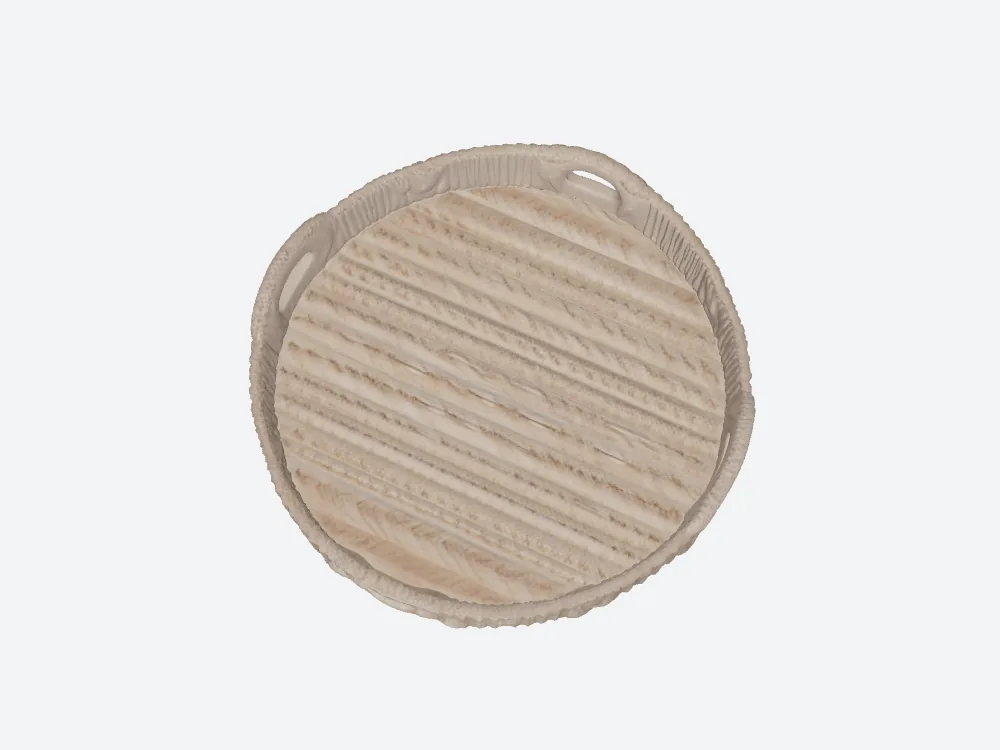
Top of the delivered PBR file: raised parallel direction replaces the input's intersecting cables.
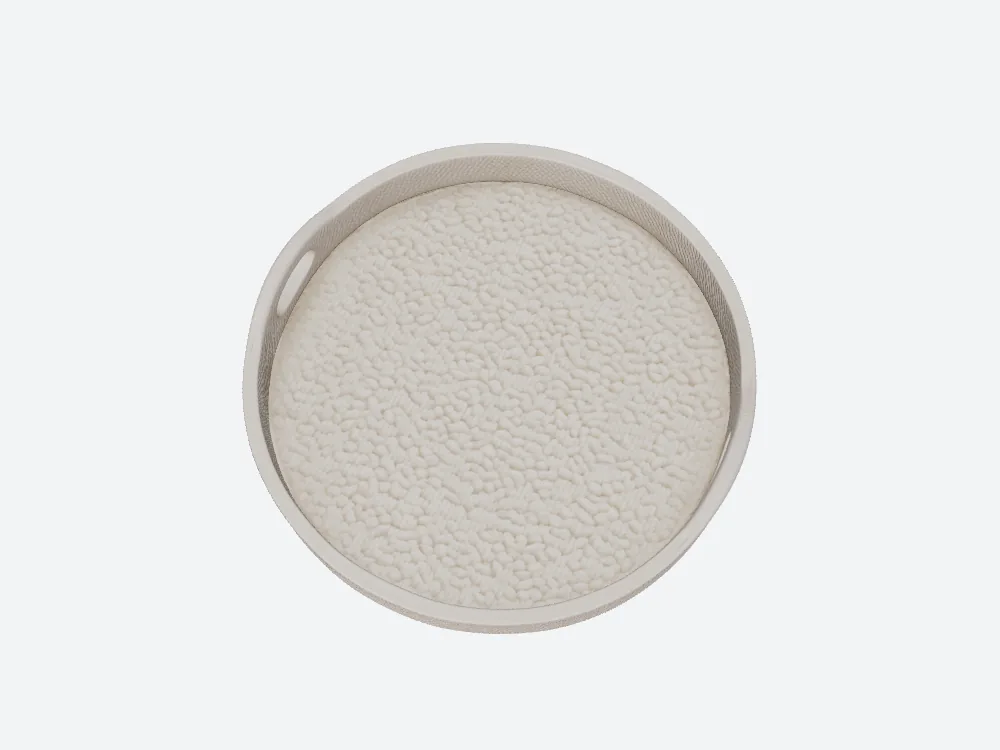
Top of the locally reconstructed analysis file: denser patches are not the source's regular braid.
Remove the color before assigning depth
Hyper3D still has coarse wall ropes and discernible parallel floor bars when the textured material is removed. SupaVoxel retains genuine fine diagonal wall relief and open holes, yet most of its floor's fluffy appearance subsides into a nearly smooth sheet in the mesh-only render. This is a more useful distinction than “textures are fake” versus “everything is sculpted.” Both models contain some physical structure; both also rely on shading and material for part of the knitted impression. SupaVoxel's 1.5 million triangles do not certify that its floor can print like the input, while Hyper3D's more visible ribs are not the input's crossings. At a 120 mm longest side, a 0.4 mm FDM nozzle remains only an assumed reference, not a demonstrated feature test.
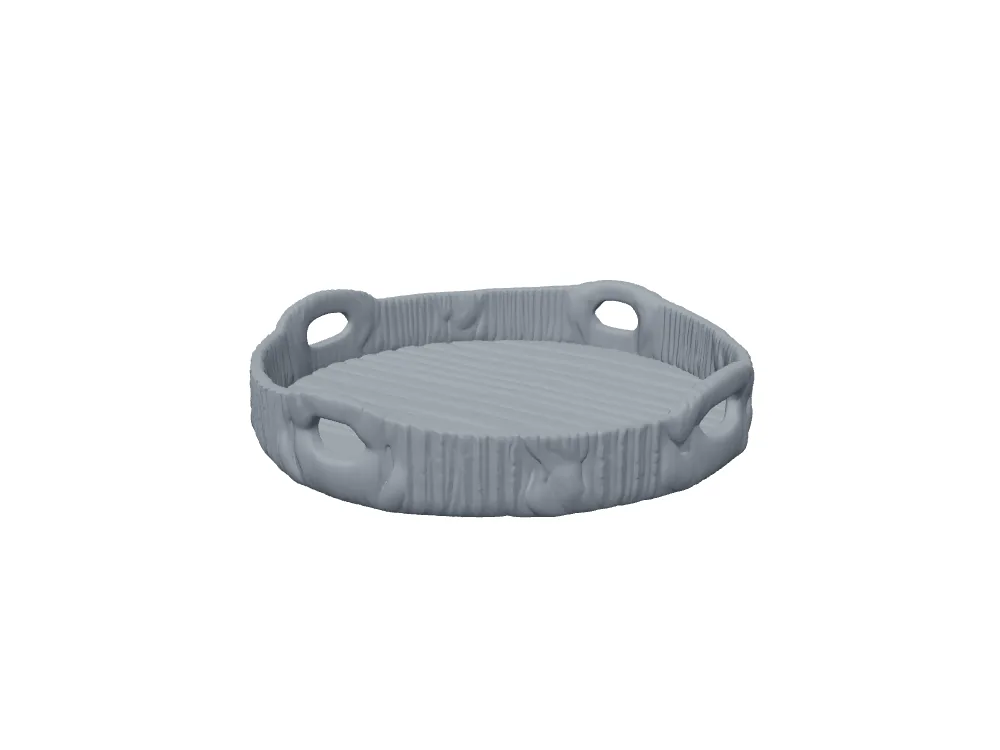
No material: Hyper3D's ribs and wall ropes remain geometric, but the floor cable path is simplified.
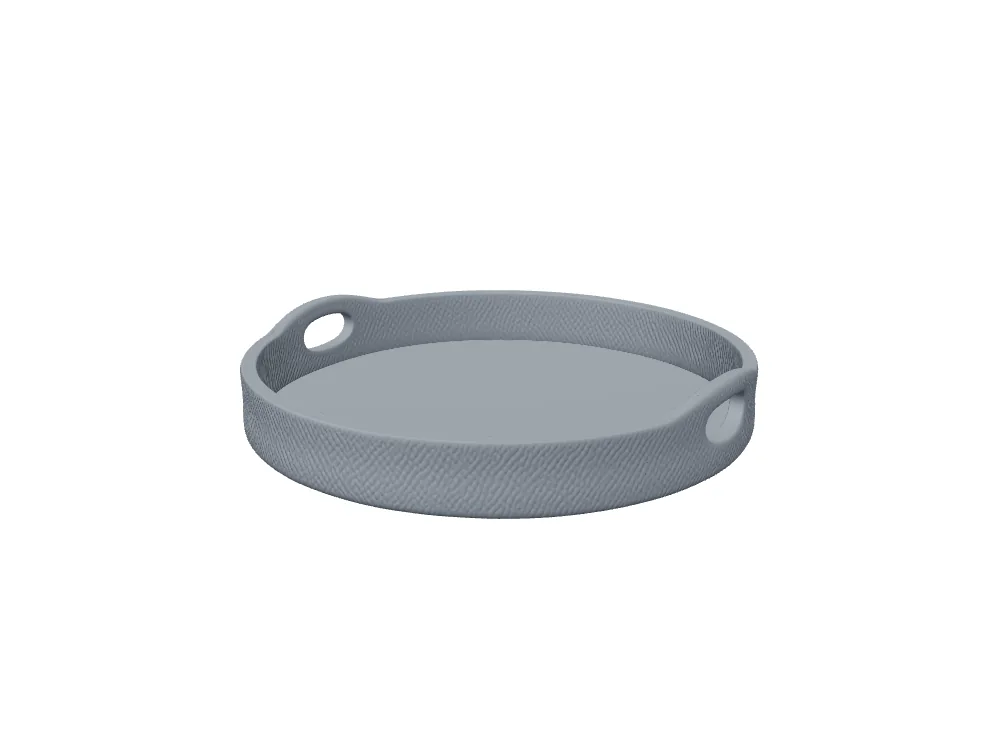
No material: SupaVoxel's floor loses much of the bumpiness visible in its textured render.
The unseen back is a reconstruction, not a test answer
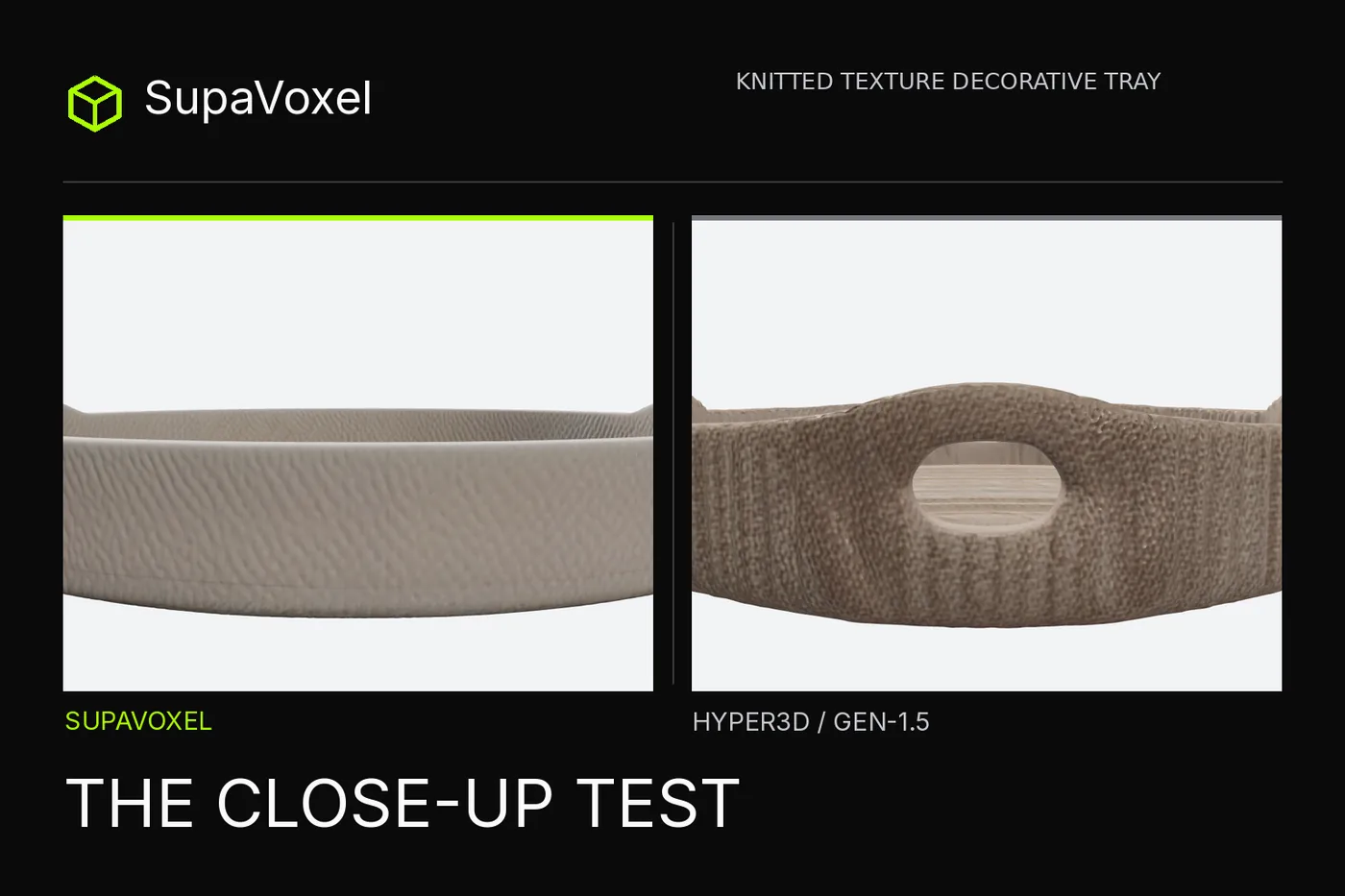
The reverse close-ups make the difference theatrical. Hyper3D adds a conspicuous central oval opening with strong vertical channeling; SupaVoxel carries finer diagonal texture around a flatter, more continuous rim. These are useful observations for someone who must edit the file. They do not tell us which back is accurate, because the input camera never showed it. The relative camera positions were checked at four yaw angles and matched approximately, but the hole locations are not point-by-point registered between objects. In a one-photo workflow, the only responsible comparison is whether the added geometry suits the intended use, not whether it reproduces an invisible reference.
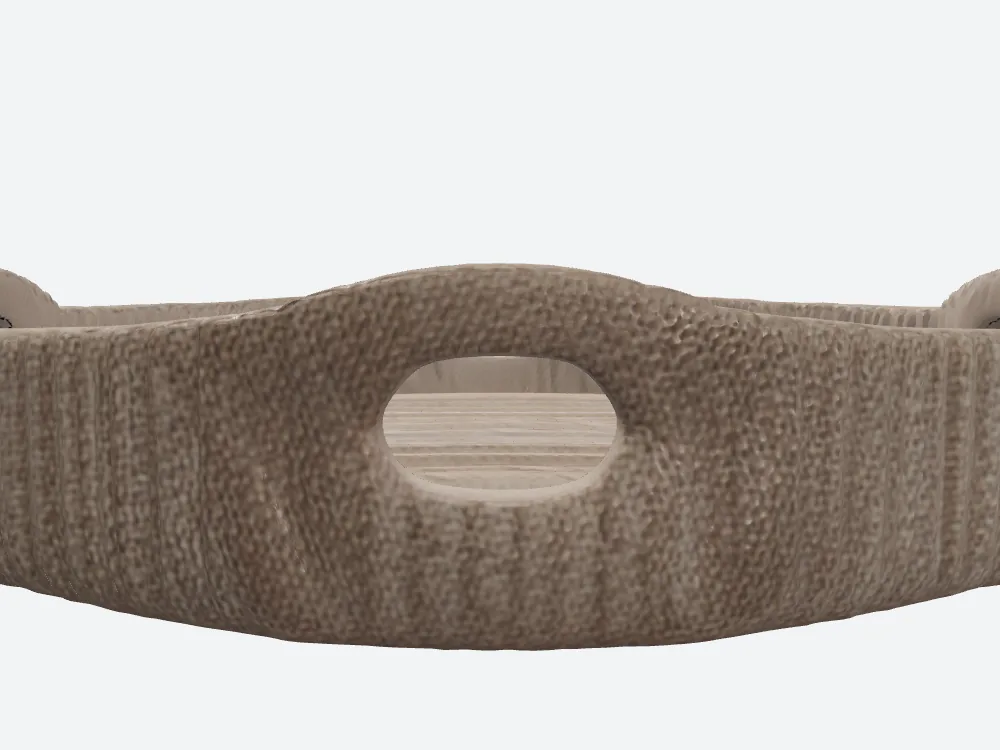
Hyper3D's prominent back hole and vertical grooves are generated additions to an unseen side.
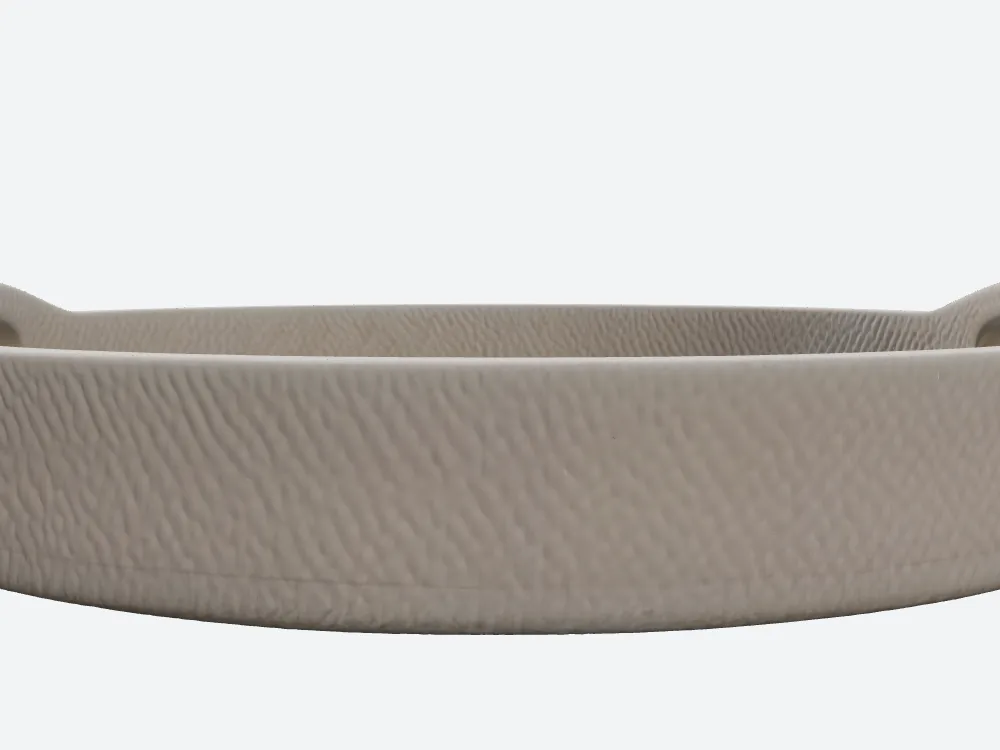
SupaVoxel's reverse uses finer surface detail; the hidden truth remains unmeasured.
What the material files actually contain
The extracted Hyper3D PBR GLB carries one material, UV coordinates and three embedded 2048 × 2048 PNG images: baseColor 4,710,007 bytes; normal 4,456,634; metallicRoughness 4,908,032. The SupaVoxel locally reconstructed GLB likewise has one material and three embedded 4096 × 4096 PNGs: baseColor 16,081,664 bytes; normal 11,740,543; metallicRoughness 2,529,720. Each larger SupaVoxel texture has four times the pixel count of a 2K counterpart, but its image's encoded byte size varies by content. We did not measure albedo ΔE, sample colors under controlled light or estimate UV atlas occupancy. Therefore the image dimensions are storage facts, not an experimentally proven accuracy ranking.
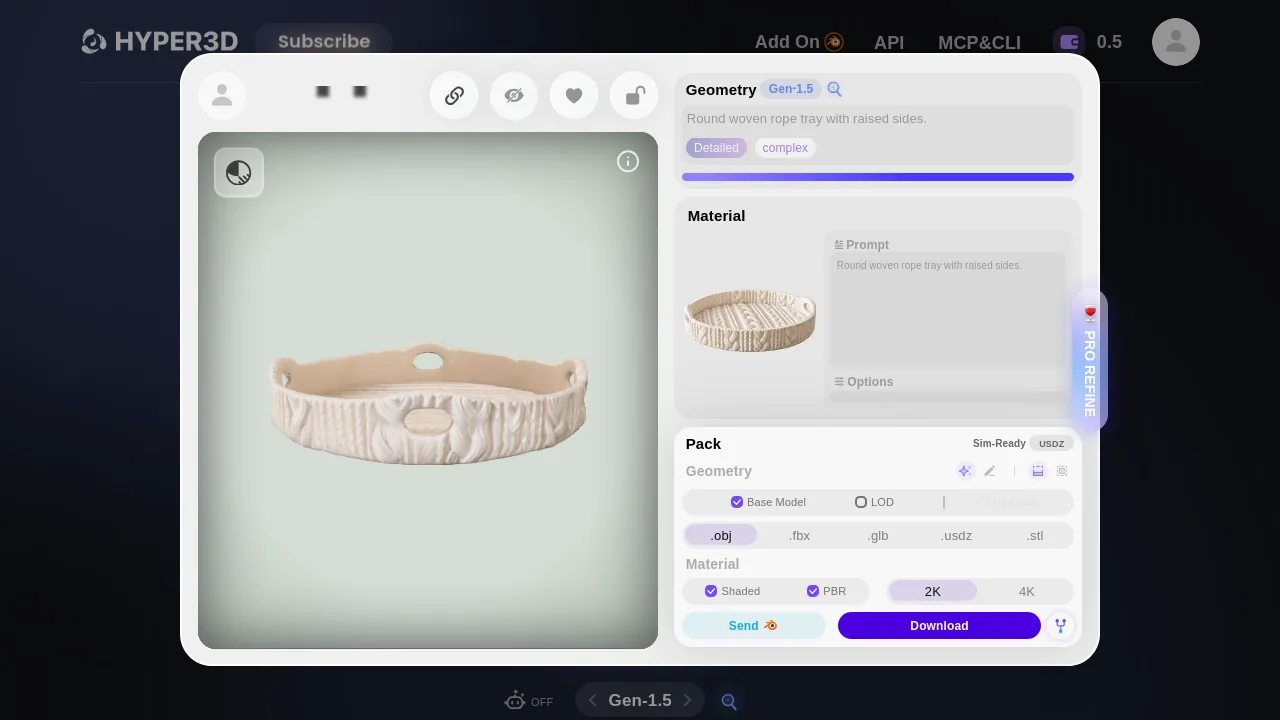
The Free-tier Gen-1.5 material path exposed 2K PBR; the tested 4K option was unavailable.
For a monochrome print, count unused images on both sides
A standard monochrome-resin slice does not consume a baseColor image, a normal map or a metallic-roughness map as visible printed color. For a color-capable process that reads baseColor, the potentially useful bitmap is 4.71 MB in the Hyper3D GLB versus 16.08 MB in the reconstructed SupaVoxel GLB; the remaining two images total 9.36 MB versus 14.27 MB. If the job is monochrome, even those baseColor files are not part of the print result. That does not mean deleting embedded textures reduces each GLB by the simple sum of file entries—container layout and compression need separate measurement. More importantly, removing maps cannot create the missing crossing floor ridges. Image-asset budget and physical relief are different engineering questions.
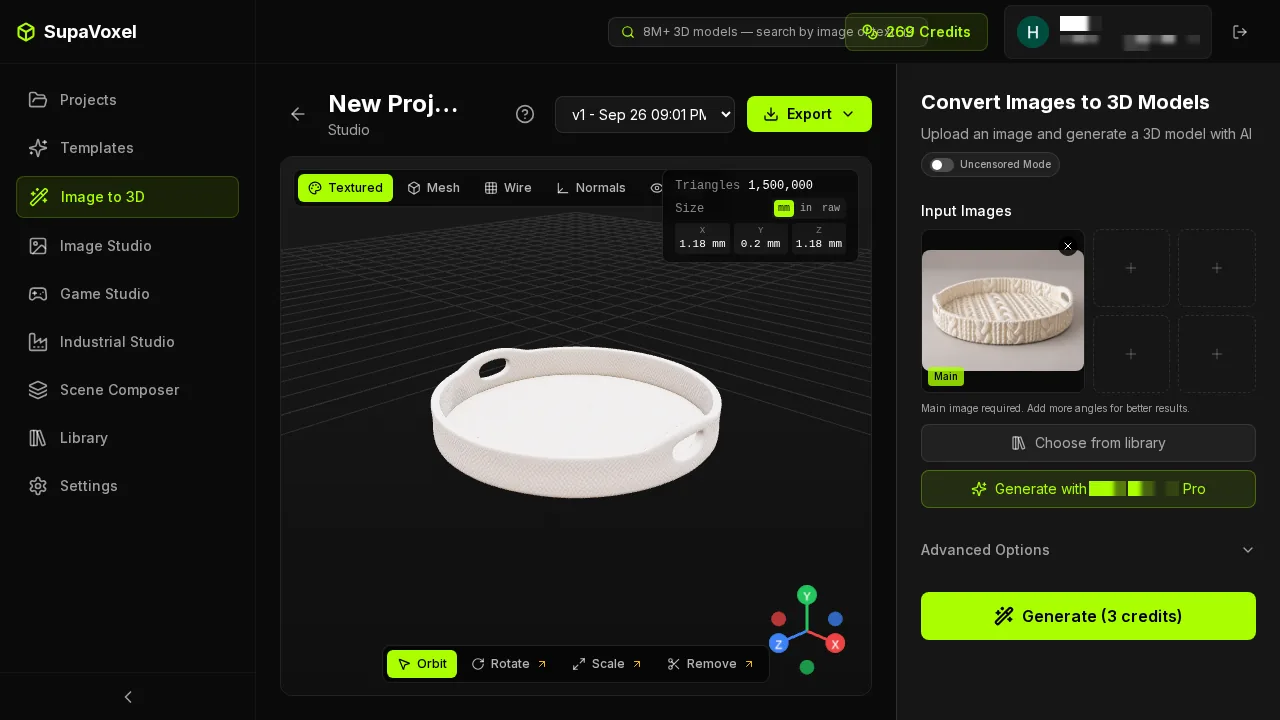
Four visible viewing modes let the user compare colored appearance against mesh and normals before printing.
A browser ZIP is not its extracted GLB
Hyper3D's actual Free-tier download was a 27,809,936-byte ZIP after selecting GLB with Shaded and PBR checked. The PBR member used here is 18,642,076 bytes; its companion Shaded member is 9,167,608 bytes. The difference between the ZIP transfer and the PBR member is about 9.17 MB, but it is not necessarily all network “waste”: the bundle contains another valid format variant. If a client only needs the PBR asset, it nevertheless downloads and unpacks the bundle. The SupaVoxel Original size choice did not deliver a browser file when we tested it, so its website-download byte count and time are unknown. Any chart comparing 27.81 directly with 74.36 as observed browser transfers would be false.
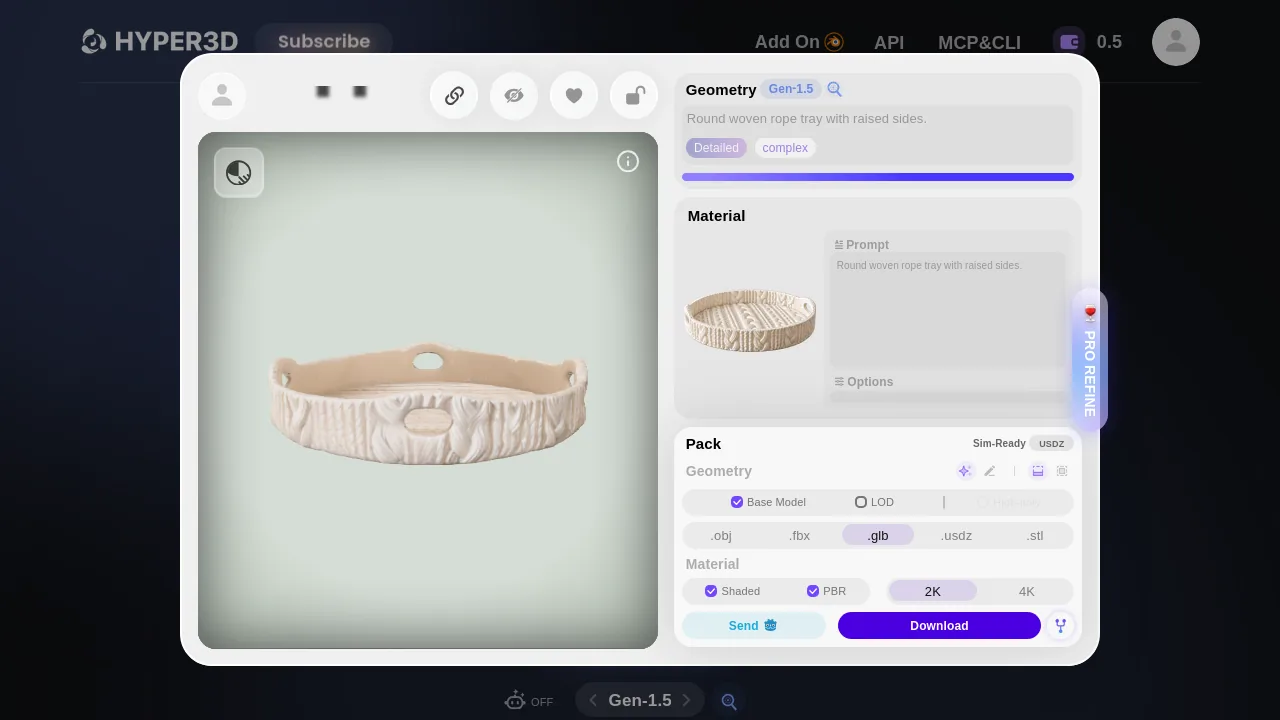
This GLB selection delivered two GLB variants in one ZIP, not the standalone PBR member used for analysis.
Where the 74.36 MB figure comes from
The SupaVoxel Original size browser conversion failed; no file was saved by that action. We retained a 10,132,072-byte compressed project source, then locally decoded its geometry and converted its images to PNG, producing a 74,362,796-byte analysis GLB. Local encoding can differ from the browser's, and lossy source detail cannot be restored. So 74.36 MB supports analysis and a hypothetical hosting budget for this reconstructed file only: neither observed website transfer nor a guarantee of byte-identical browser output.
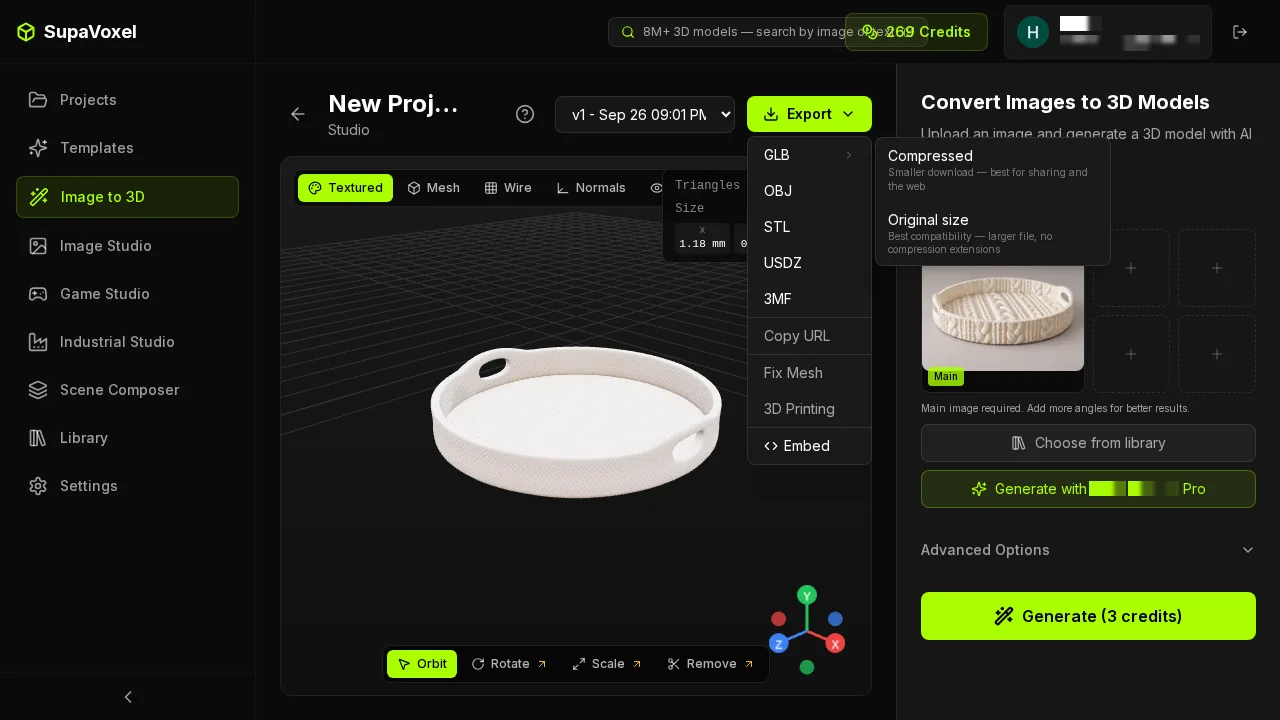
The menu offers Original size; in this run the browser conversion failed and actual Original size transfer remained unknown.
If separately hosted, the larger file costs time
Imagine hosting the extracted Hyper3D PBR GLB and the reconstructed SupaVoxel analysis GLB as-is on the same CDN, with no cache. At an assumed 12 Mbps, decimal-byte ideal transfer-only lower bounds are 12.43 seconds and 49.58 seconds. At 100 Mbps they are 1.49 and 5.95 seconds. These omit latency, retries, decoding, rendering and any page code. Per 10,000 full file loads at an assumed $0.085 per decimal GB, the projected CDN charges are $15.85 and $63.21, a $47.36 difference for those hosted files. Hyper3D's own webpage instead sent a ZIP; SupaVoxel sent no successfully captured Original size export. Neither product's actual end-user website download is timed by this invented third-party hosting scenario.
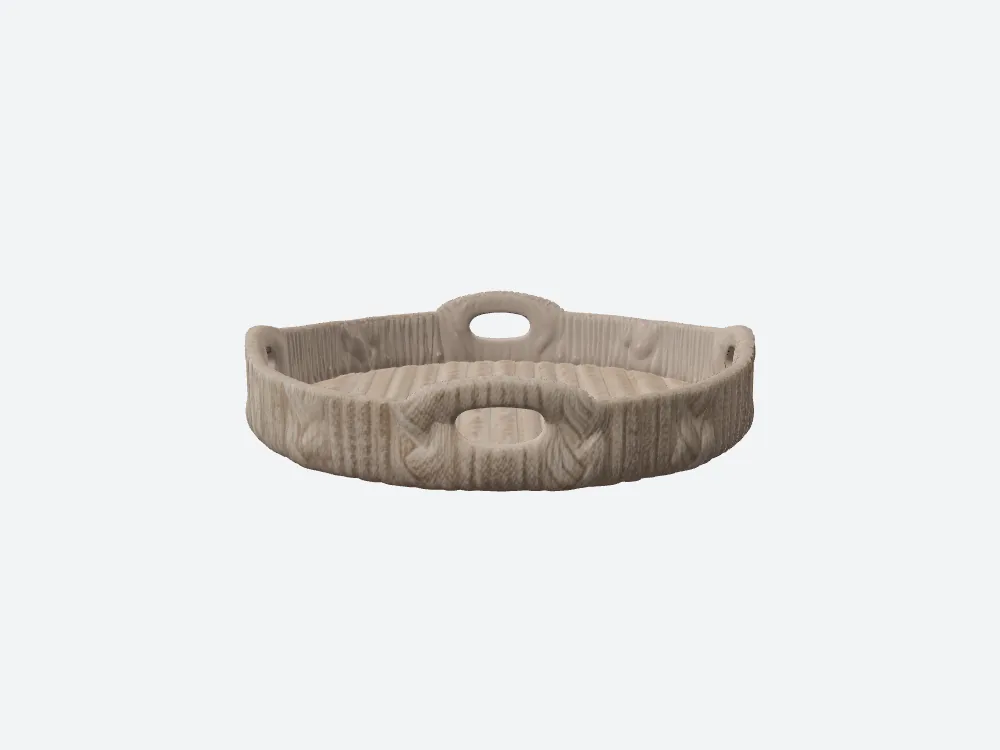
Side comparison image represents the extracted PBR object, not the size of its browser-delivered ZIP.
Files, triangles and device memory
Suppose you're putting a rotatable version on a craft-store page, not printing it. Host only the two analytical PBR GLBs: Hyper3D's extracted member is 18.64 MB for 120,000 triangles; SupaVoxel's locally reconstructed model is 74.36 MB for 1,500,000. That works out to 155.35 versus 49.58 bytes per triangle; SupaVoxel packs more shape per byte, but still needs 3.99 times the total file bytes in this as-is scenario. A simple geometry-memory budget—32 bytes per vertex and 4 per triangle index—is 4.57 versus 44.01 MB, excluding textures and runtime. For 100 separately hosted models of these same sizes, disk or one uncached pass of downloads would be 1.864 versus 7.436 GB. A planning sketch, not an observed download or generated batch.
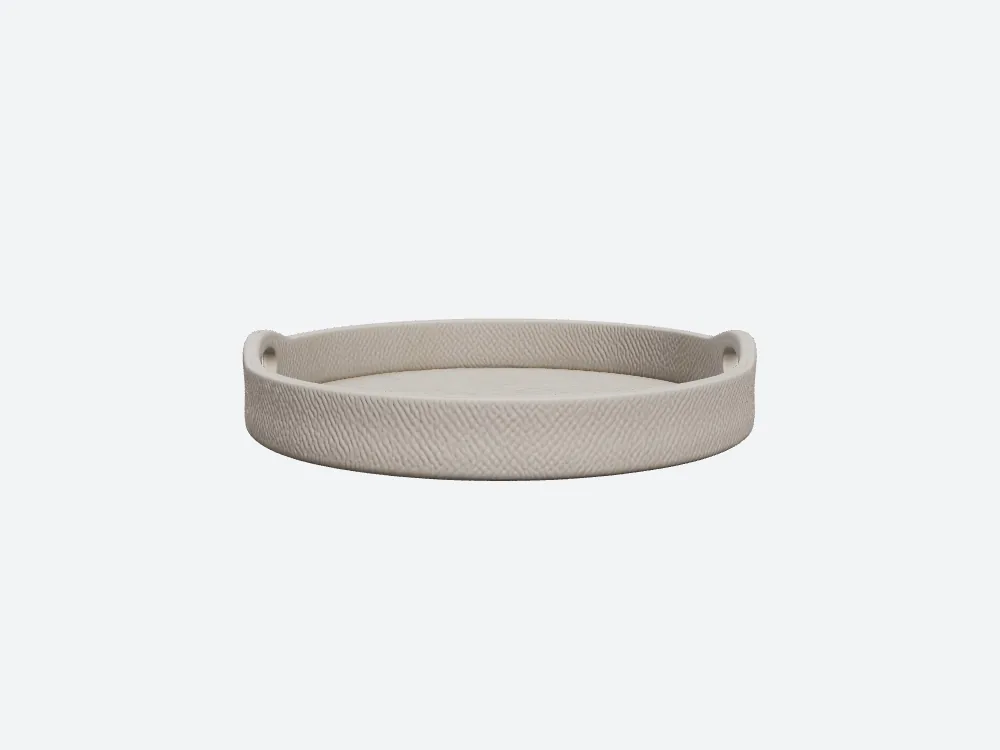
More dense geometry on the SupaVoxel object affects this hypothetical memory budget without proving better photographed knit.
Final verdict: watch the floor, then label the file
Hyper3D's obtained Gen-1.5 PBR file shows more convincing sculpted wall ropes and raised floor bars than its own preview would prove, yet those bars run alongside each other instead of crossing like the input. SupaVoxel makes a finer diagonal wall and a fuller-looking textured floor, but much of that floor effect fades when material is removed. Neither earns a claim of matching knitted geometry. For a photographed cable-knit tray that must become a received, lightweight PBR file, Hyper3D leads this single run: 27.81 MB actual browser ZIP and 18.64 MB extracted PBR. My SupaVoxel 74.36 MB figure belongs to a local reconstruction for offline analysis, not a successful site download.
The trade is a real one. SupaVoxel offers four inspection views, 12.5 times as many triangles and a finer surface language; Hyper3D has a delivered file, stronger coarse relief, and a smaller as-is hosted PBR payload. That is a difference in task fit, not an accuracy ranking for every image.
Use SupaVoxel for this job
For a digital mood board where the wall's fine diagonal texture matters, SupaVoxel is a useful second design pass. Flip from Textured to Mesh before selling that appearance as printable cable relief; test the browser export your client requires. If the floor must physically reproduce the pictured crossings, plan manual resurfacing whichever generator you choose.
How I tested this
One independently generated reference PNG was fed to both tools. Hyper3D's accessible Free-tier Gen-1.5 result was the PBR member of an actually browser-downloaded two-GLB ZIP; the separate charged Gen-2.5 preview was never downloaded. SupaVoxel's compressed project source was retained, but the Original size browser conversion failed; a 74,362,796-byte GLB was reconstructed locally for analysis and is not proven byte-identical to a working browser export. Renders use the same offline camera and light settings with approximate, not feature-registered orientation. We did not measure unlit ΔE, UV occupancy or a physical print; the reverse side of the input is unseen. The 12 Mbps and 100 Mbps transfer estimates and uncached CDN bills are hypothetical calculations on specified files, not observed downloads. A 120 mm longest bounding-box side is not a 120 mm tall tray.
Originally published on Medium: Hyper3D GLB Review 2026: A 27.81 MB ZIP for a Knitted Tray.